
Closing one chapter, opening another
After six years at Mastercard, I said goodbye to the team that shaped my early career and prepared to move to London for a master’s in Computer Science at Queen Mary University of London.
View original postQueen Mary University of London · 2025–2026
A year of moving from industry back into education: studying Advanced Computer Science, building with new communities, and making London part of the classroom.
The timeline
Academic milestones sit alongside the fellowships, meetups and hackathons that shaped the year.
After six years at Mastercard, I said goodbye to the team that shaped my early career and prepared to move to London for a master’s in Computer Science at Queen Mary University of London.
View original post
I began the MSc in Advanced Computer Science, bringing six years of industry experience into deeper study of machine learning, big data and functional programming.
View original post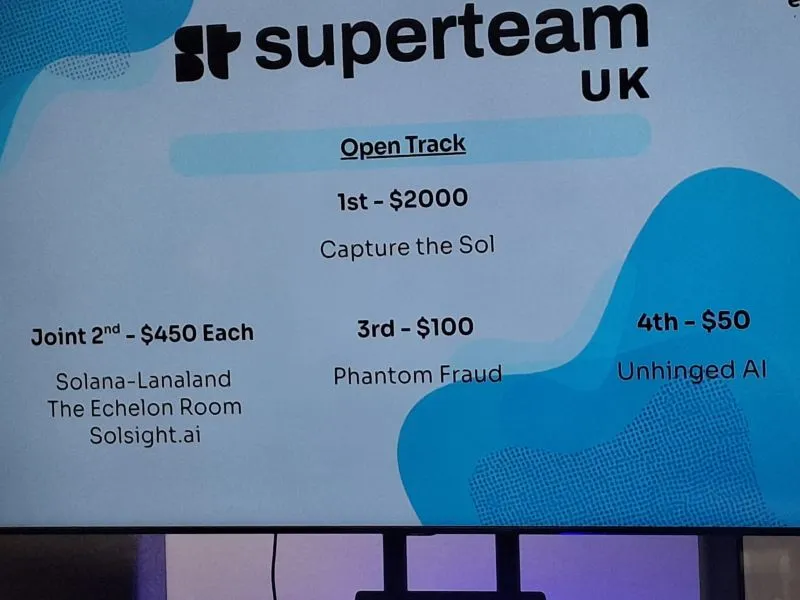
Representing the QMUL Computer Science Society, our team built Phantom Fraud in 72 hours and placed third in the Encode London Hackathon’s Solana bounty.
View original post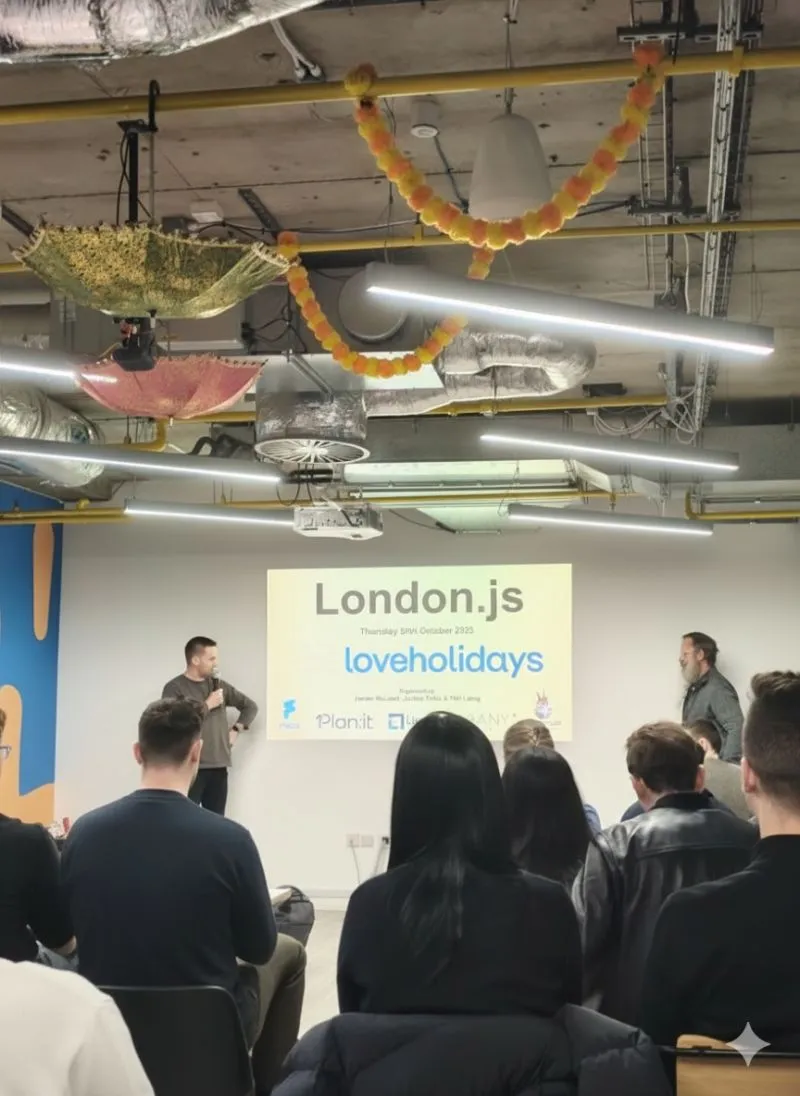
I headed to London.js after classes and learned about web performance, creative programming education and emerging protocols for AI agents.
View original post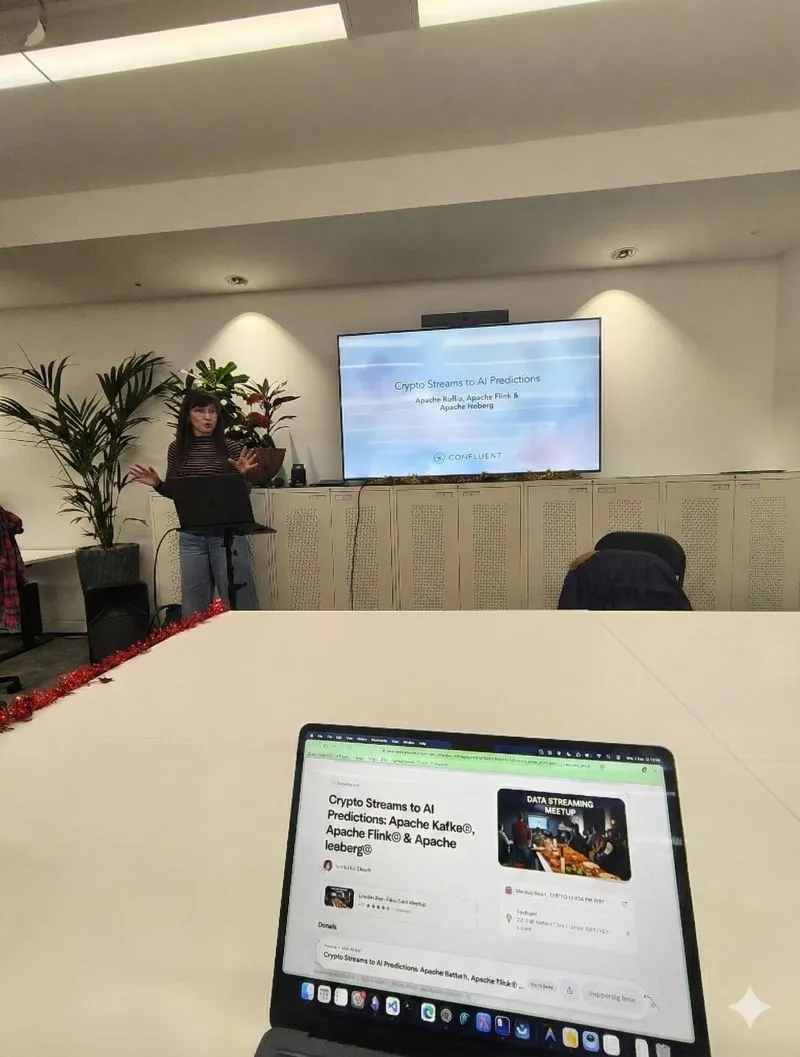
A Confluent workshop connected classroom interests with a live pipeline spanning Kafka, Flink, time-series forecasting, Iceberg and DuckDB.
View original post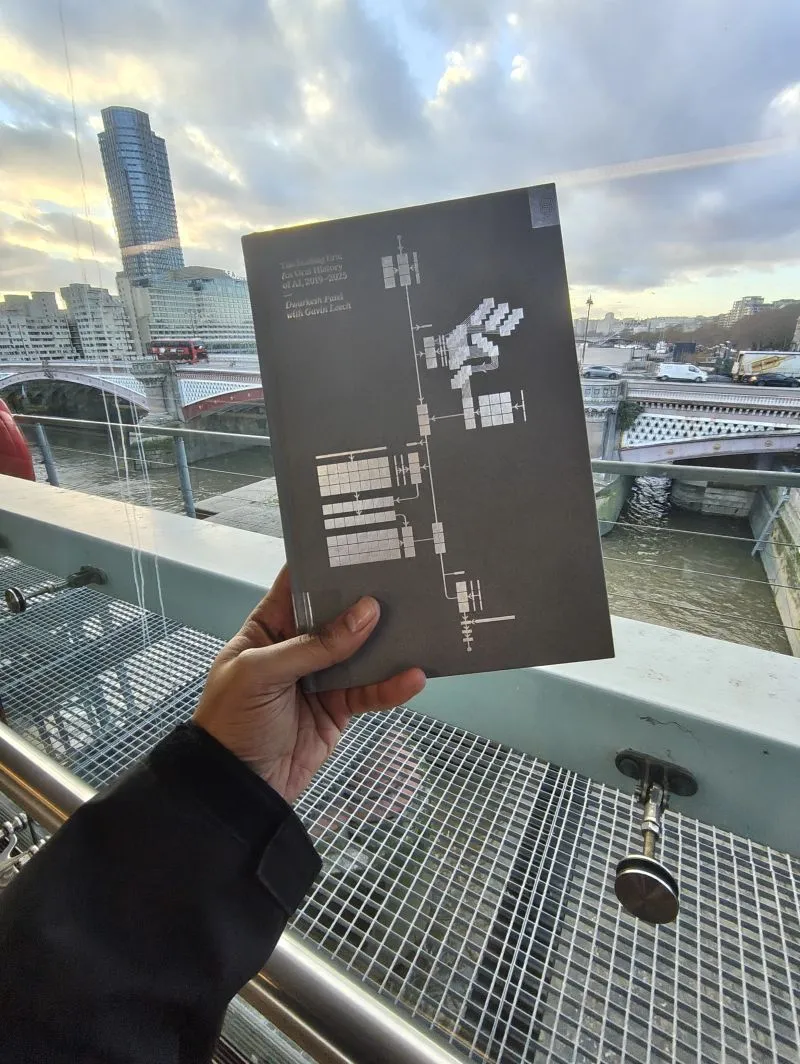
Between university work and London life, I took The Scaling Era to the Thames and reflected on the people and ideas shaping modern AI.
View original post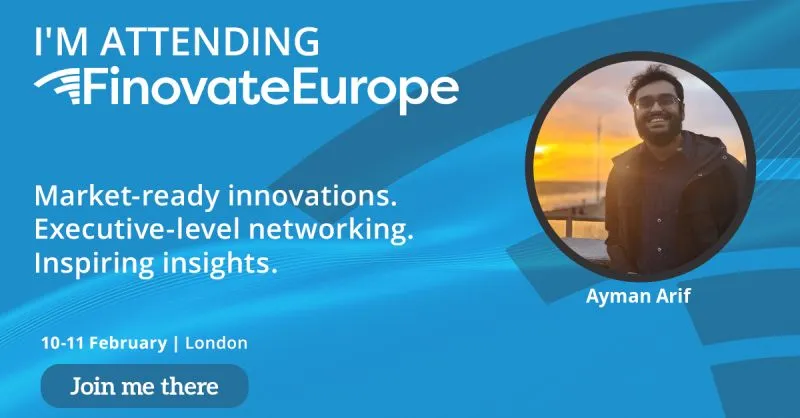
Finovate Europe offered a fresh look at financial services, AI and fraud defence while reconnecting my master’s studies with my earlier payments experience.
View original post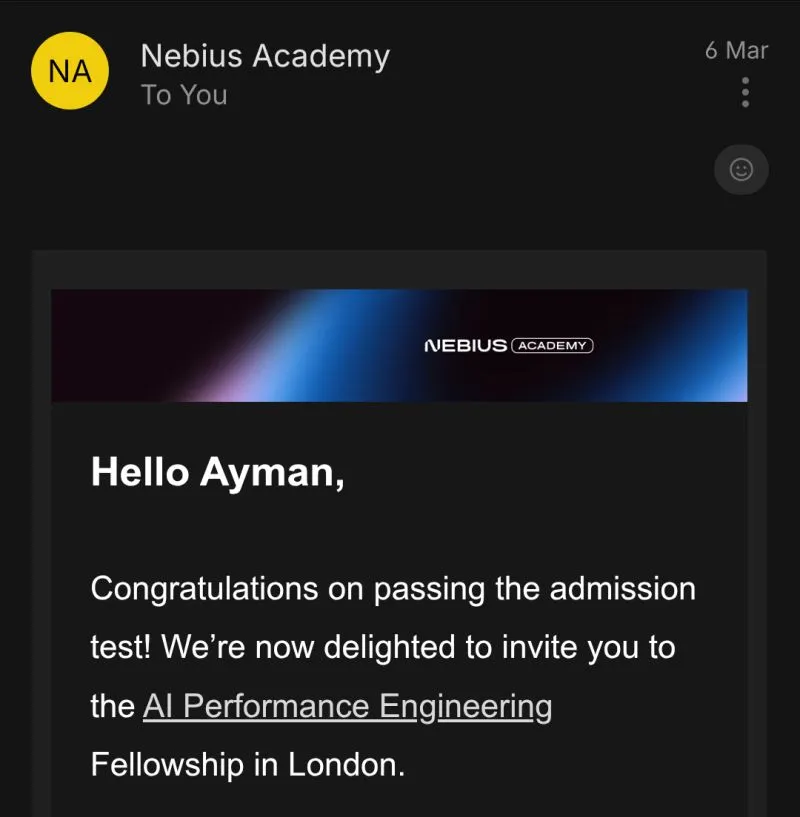
In the middle of exam season, I joined a 14-week AI Engineering fellowship to study LLM architecture, performance engineering, post-training and production MLOps.
View original post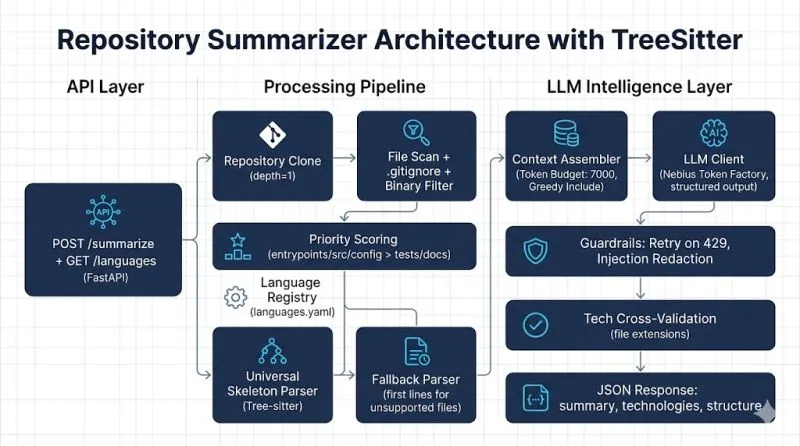
For the Nebius Academy challenge, I built an API that uses Tree-sitter and token-budgeted context assembly to turn GitHub repositories into useful summaries.
View original post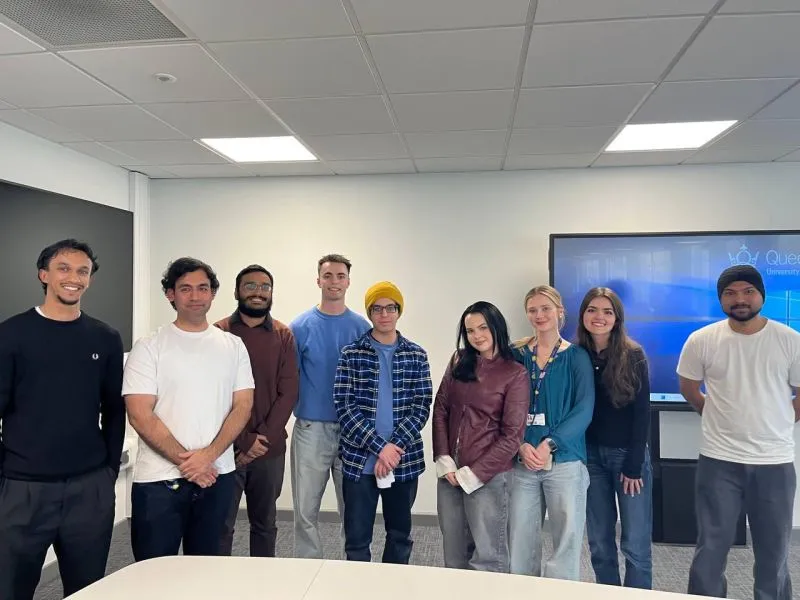
Our Interactive System Design project explored how wet-lab researchers document experiments, moving from user research and conceptual models to iterative prototypes.
View original post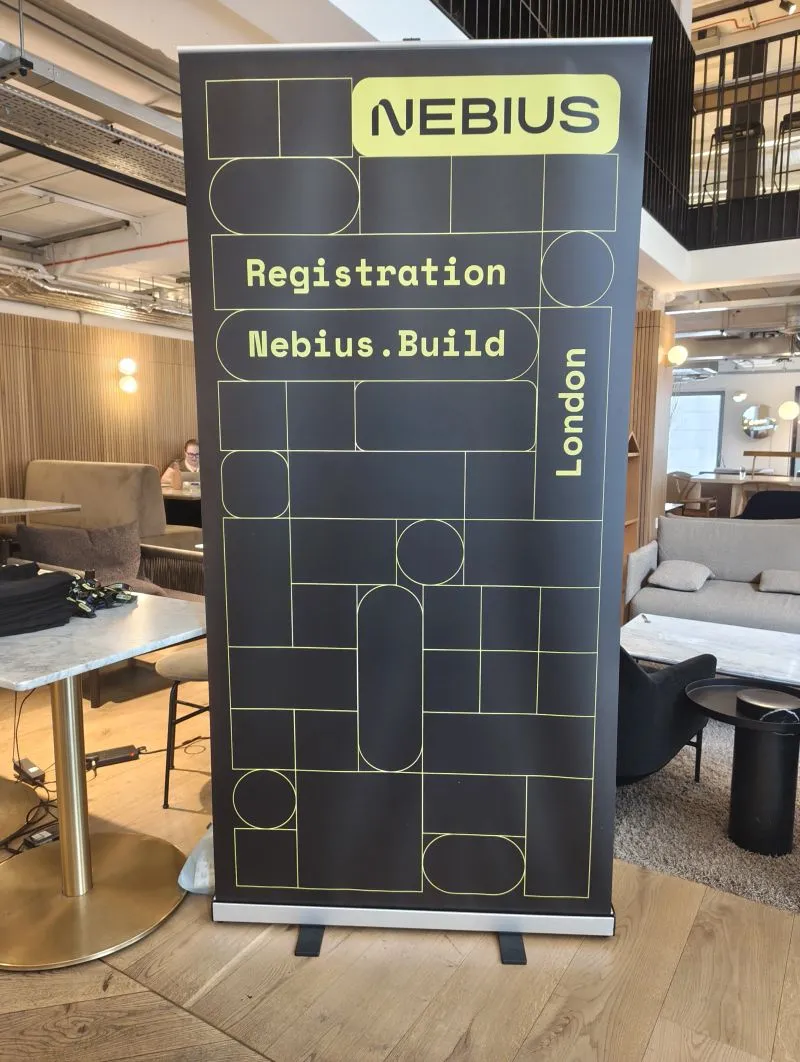
At Nebius Build/Lon, I connected the fellowship’s foundations to GPU-era serverless systems, inference performance, coding benchmarks and real-world agent reliability.
View original post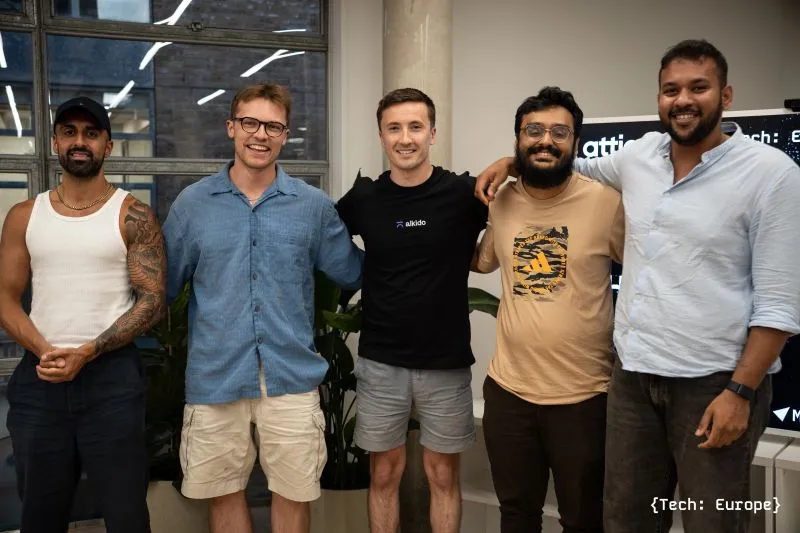
At the Tech Europe Hackathon, our team built an AI research-to-investment pipeline and received an award for the event’s most secure codebase.
View original post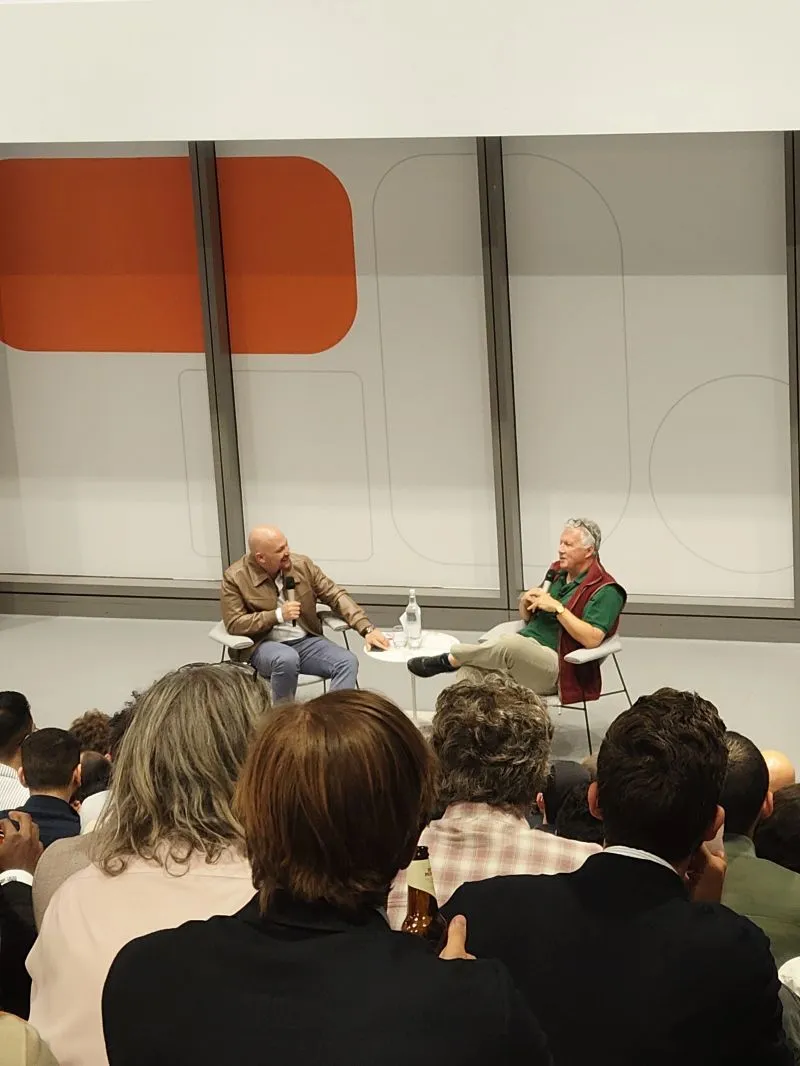
A Replit London conversation with Amjad Masad and Paul Graham made a fitting final marker for a year spent studying, building and joining the city’s technology community.
View original post